

Are you in the same situation as many of us: you have an eCommerce website built in WordPress, everyone else is making a lot of money, but your online store is not performing well? Then you could be making common eCommerce mistakes that are harming your brand’s reputation and overall store performance.

But which are considered mistakes for your eCommerce website? And how to avoid them to skyrocket sales? Today, with the help of eCommerce experts’ data, we have listed down 10+ common mistakes that are made by most eCommerce websites and how to resolve them.
Present WordPress eCommerce Growth Trends at a Glance
When it comes to mistakes, the first thing that comes to mind for eCommerce website owners is whether they created their online store on the wrong platform. If your website is built in WordPress and the store is managed by WooCommerce, SureCart, or FluentCart, you are on the right track; do not worry. At present, roughly 18–20% of the top 1 million online stores use WooCommerce/WordPress, such as All Blacks Shop, Airstream, etc.
So you are with the most optimized and powerful website builder, WordPress, which is powering up 43% of the websites all over the world. As WordPress moves toward powering nearly 50% of the web by 2030, competition will intensify. Stores that ignore fundamentals will struggle to survive.
More eCommerce statistics that you should take a look at: Global cart abandonment rate is extremely high: 74.7% on average, and as high as 85% on mobile due to friction in the checkout process. Stores with optimized checkout flows see 15–35% higher conversion rates than those without.
60%+ of WooCommerce stores now offer at least three payment methods. Mobile accounts for ~70% of WooCommerce traffic, but mobile conversion rates are still 40–60% lower than desktop.
10+ Common eCommerce Mistakes You Are Making Unknowingly & How to Avoid Them
It is time to reveal the common eCommerce mistakes that most of us make. Yes, some of them may be something you are constantly aware of and take precautions against. And some of them you may have been overlooking for years. According to feedback from WordPress eCommerce experts and online store owners, the following are the ten most common eCommerce mistakes. Let us take a look at them and see how we can fix or avoid them.
eCommerce Mistake 1: Not Having All Necessary eCommerce Webpages
Some of us have been running eCommerce websites for years without having all the necessary webpages that a store might have. Due to a lack of important webpages on an online store and navigation, users get lost and get out of sales funnels without making any purchases. This reduces your online store’s overall ranking, average page stay time, bounce rate, and so on.
👉 How to avoid this: Research your business niche and create all necessary webpages that an online store must have. In general, these are the must-have webpages for your eCommerce website:
- Home Page
- All Products Page
- Product Single Pages
- Cart Page
- Checkout Page/form
- Contact Page
- Privacy Policy Page
- Blog / Content Hub
- Testimonial/Review Pages
- Ongoing Sale/Mega Sale Page
Exploring the latest trends and popular eCommerce websites, you can create these pages for your WordPress online store. If you are looking for an optimized and the best solution for creating webpages, then we would recommend getting started with Templately WordPress template cloud.
The best thing about Templately is that, depending on your company’s category, you will get complete eCommerce website template packs with all necessary webpages. All the template packs are created following the latest design trends and the most exclusive thing is that you can build your preferred webpages from scratch using Templately AI.

eCommerce Mistake 2: Multi-Step, Lengthy Checkout Process
The most common reason for losing customers on an eCommerce site is a lengthy checkout process. If you take a deep dive into all live online stores, then you will find that most of them are using default WooCommerce checkout pages without making any personalization. This is one common eCommerce mistake that should be taken care of.
👉 How to avoid this: According to the latest fintech trends, you can go for 1-click payment options and skip checkout pages entirely. Among WordPress plugins, Better Payment offers this exclusive functionality: 1-click payment option for product payments, donations, memberships, subscriptions, fundraising and others. You can provide a frictionless transaction experience to your customers with Better Payment.
Customers are less likely to abandon their carts if the checkout process is made as easy as possible. You can add progress bar indicators, only request necessary information, and allow guest checkout in addition to creating a single-page checkout.
eCommerce Mistake 3: Not Enough Online Payment Options
Another common eCommerce mistake is failing to offer a variety of secure payment methods. Limiting the payment methods available on your website may discourage new customers from making purchases, especially if their preferred method is unavailable. Not having enough online payment options on the checkout page also increases the rate of cart abandonment.
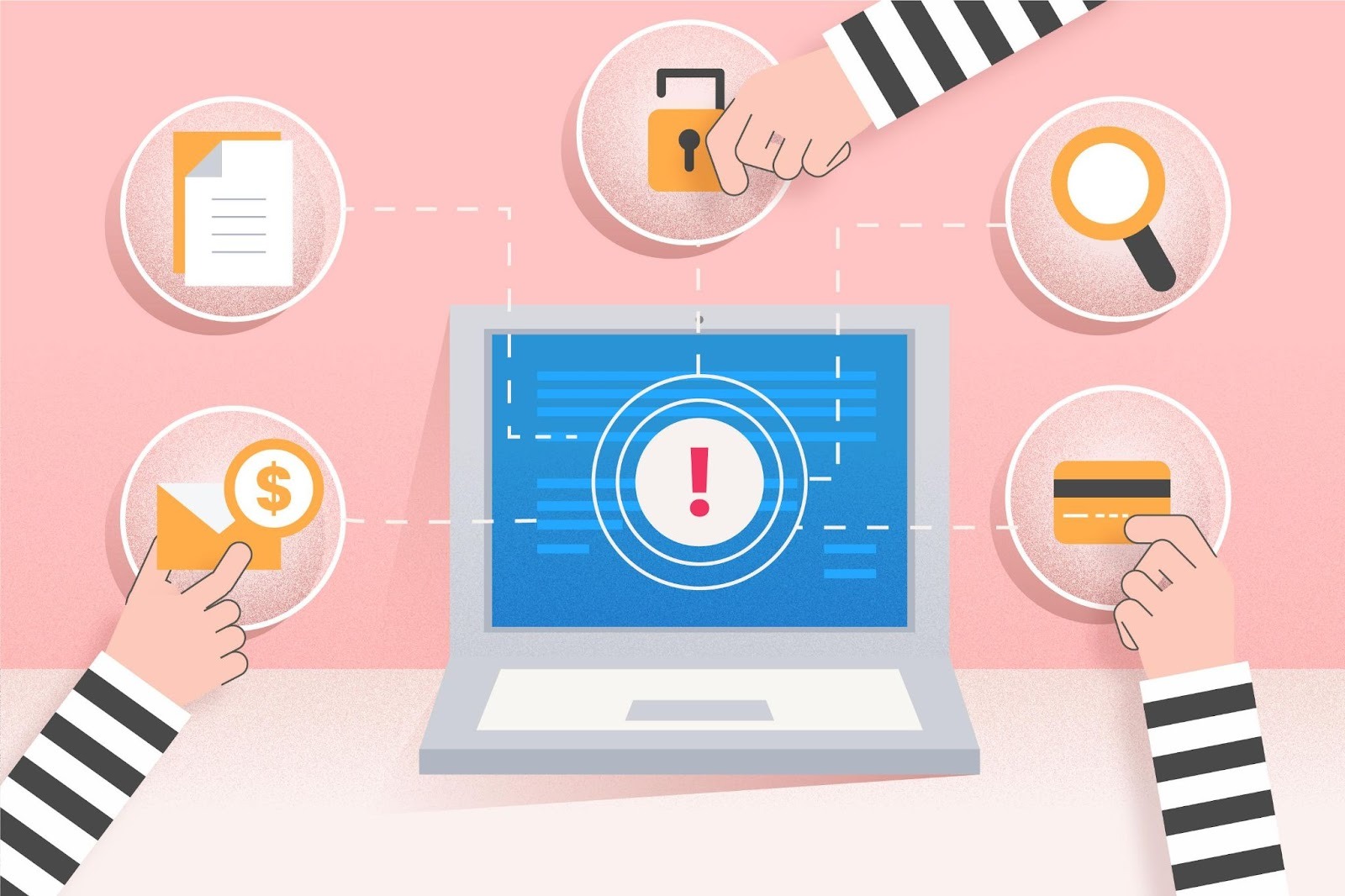
👉 How to avoid This: You can easily avoid this common eCommerce mistake by adding multiple online payment options in your online store. For this, the Better Payment plugin is a great help; it already has integration of PayPal, Stripe and Paystack. Moreover, you can get 20+ currency support with it. This way, your website will be easily accessible for all.
eCommerce Mistake 4: Focusing on Only UI, Not Online Store UX
Pretty elements draw our attention, but functionalities are also necessary for a good user experience on an eCommerce website. To keep visitors hooked, we sometimes focus so much on the UI that we forget to double-check whether it is also user-friendly. Not designing a good customer flow is another common eCommerce mistake that many of us make.
👉 How to avoid this: Having enough information about your user buyer persona will help you design a user-friendly eCommerce website. For instance, check out from which device your customers are mostly shopping: mobile or desktop, in which step you are losing most customers, etc. If your online store is created using Templately, then your store will be mobile-friendly and resolve all other UX issues. Still, keep in mind that regular A/B testing and gathering insights from customer behaviors will assist you in providing a smooth user experience on your website.
eCommerce Mistake 5: No Customer Reviews or Social Proofs on Store
Only selling good-quality products will not bring sales for your eCommerce store; you need social proof from your regular customers as well. Like physical commerce stores, customers do not get the freedom to touch and compare products. Social proof helps to build credibility for your site and drive new customers to your website. So, it is another common eCommerce mistake that is often made.
👉 How to avoid This: You can add a review-providing section for your online store and even for every product’s single page. Showcase ratings beside every product title or payment button. Also, you can send review request emails to your customers to boost the website with authentic reviews. Plugins like NotificationX can help you build credibility with social proof and increase sales with FOMO.

Read More: Influencer Marketing vs. Social Proof Marketing – Find Out the Winning Strategy for Your Brand
eCommerce Mistake 6: No Testimonials on Review Platforms, Lack of Brand Visibility
Most of the eCommerce website owners only focus on getting reviews in-store, forgetting to focus on building brand reputation. If you can gather amazing customer reviews on trusted review platforms like Google, TrustPilot, G2, etc. Then it will help you with brand visibility as well. So, it is considered another common e-commerce mistake that many of us have made.
👉 How to avoid this: Research where your customers usually check for authentic reviews. Then create company profiles on those platforms and then insist happy customers say a word or two about you in those places. It will raise brand awareness, resulting in increased brand visibility. Also, you should focus on collecting customers’ video reviews and embedding them on the site using EmbedPress.
eCommerce Mistake 7: Not Optimizing the Online Store for Mobile Users
Mobile commerce is no longer optional; it dominates modern online shopping behavior. A significant portion of eCommerce traffic now comes from smartphones, yet many online stores are still designed with a desktop-first mindset. This disconnect leads to poor usability, lower engagement, and lost conversions.
In WordPress-based eCommerce stores, this mistake is especially common when store owners rely on outdated themes, heavy plugins, or untested custom layouts that look fine on desktop but break on smaller screens.
👉 How to avoid this: Ensure your online store is built with a mobile-first approach by using a fully responsive WordPress or WooCommerce theme, optimizing images and scripts for faster mobile load times, simplifying navigation and page layouts, and making buttons, forms, and CTAs easy to tap on smaller screens. If you can use design plugins like Essential Blocks or Essential Addons, it will help you to design an online store that is mobile-friendly with advanced customization.
eCommerce Mistake 8: Ignored SEO & Digital Marketing Strategies
How often have you read about the importance of SEO? Chances are, almost every checklist or guide mentions it. But let us be honest, most of them just scratch the surface. We are not going to repeat the same old tips you have seen everywhere.
Here is the reality: no matter how visually stunning your website is or how unique your products are, it all comes down to how your store is discovered online. If your website does not rank well on search engines, your potential customers simply will not find you.
SEO is more than sprinkling a few keywords throughout your pages. It is a combination of many elements, including:
- Technical SEO (site speed, structured data, mobile responsiveness)
- On-page optimization (titles, meta descriptions, headings, alt texts)
- Content strategy (blogs, guides, product descriptions that solve user intent)
- Off-page SEO (backlinks, mentions, social signals)
Ignoring digital marketing entirely compounds the problem. Without active promotion through social media, email marketing, paid ads, or influencer collaborations, even the best-optimized site can remain invisible.
👉 How to avoid this: You can start by performing aFull SEO Audit using tools like Yoast, RankMath, or SEMrush to identify technical and on-page issues. Based on the report, create SEO-Friendly Product Pages. Publish blogs, guides, and videos that target your niche and relevant search queries. Partner with influencers, collaborate with niche blogs, and submit your store to directories. Promote products via email newsletters, social media campaigns, paid ads, and retargeting campaigns. Also, track performance with Google Analytics, Search Console, and marketing dashboards to continuously optimize strategies.
eCommerce Mistake 9: Lack of eCommerce Store Analytics & Data Insights
Most of the stores do not create detailed store analytics and then analyze them. It is another important thing we all know we must do, but keep pushing behind, prioritizing other tasks. But no matter what your online store’s age is, from day one, you should start measuring performance.
👉 How to avoid this: Regularly review your website analytics to gain insights into customer behavior, identify areas for improvement, and optimize your marketing efforts. To make this easier, use a plugin to connect your website to Google Analytics. You should be able to monitor site traffic, engagement and conversion rates, and other key metrics directly from your dashboard. With the help of the BetterLinks plugin, you can easily redirect links, connect with Google Analytics 4, and get a detailed view of all stats and data from one place.
eCommerce Mistake 10: Lack of a Customer Retention Strategy
Your eCommerce success is defined not by the number of customers you have recently acquired, but by the number of customers who stay or return. Customer retention refers to returning customers. In our pursuit of new customers, we frequently overlook the importance of customer retention. As a result, the number of sales increases, but profits do not.
👉 How to avoid this: First, you need to keep in mind that there is no alternative to building a customer retention strategy. To speed up the process, you can create customer loyalty programs, keep them informed of the latest trends and insights, offer gift cards, referral programs, and so on.
eCommerce Mistake 11: Inactivity or Delay in Customer Support
According to new online business rules, almost all of us add a contact form, a communication way to the support team. What we commonly mistake is making a delay in providing customer support. Sometimes, a few minutes’ delay in response can land you negative customer feedback and hamper your entire brand reputation.
👉 How to avoid this: The best way to avoid this eCommerce mistake is to integrate an AI-powered customer chatbot. It will help you to stay online 24/7, reply to instant queries, and provide empathetic responses and solutions. By recovering from this common mistake, you will boost your website performance 3x.
Having an eCommerce website means you need to keep yourself updated with the latest trends and deeply oversee every mistake that is made. Taking care of these common mistakes will surely create a huge difference in your growth.
Bonus: Common eCommerce Myths to Look at That Are Costing Your Store Sales
When you are an owner of an eCommerce store, you will come across many myths as well. Without properly identifying them and taking proper steps, you might lose overall store growth. For you, we have listed down the most common eCommerce myths that are costing you.
Myth 1: More traffic automatically means more sales
High traffic does not guarantee conversions. Without optimized UX, checkout, and product presentation, visitors may leave without buying.
Myth 2: SEO and marketing can wait
Without SEO and active promotion, even great products may remain invisible to potential buyers.
Myth 3: Free shipping is not necessary
Customers often abandon carts due to unexpected shipping costs. Offering free or transparent shipping can dramatically improve sales.
Myth 4: Fast launch is better than careful planning
Rushing to launch without proper store pages, policies, and UX setup often leads to mistakes that cost sales.
Myth 5: Customer support is not a sales tool
Slow or unresponsive support erodes trust. Quick, helpful support can increase conversions and build loyalty.
Boost Your eCommerce Store Growth By Debunking Common Mistakes & Myths
Sometimes we focus on the moons and forget about the stars. In a similar vein, focusing solely on profit and taking action will not expand your store if you do not identify and fix the common mistakes that are made; even large investments will not keep you afloat. Therefore, it is critical to identify and address our eCommerce errors and myths.
I hope this article was useful to you. Please remember to let us know about your experience. Additionally, subscribe to us and join our community for additional eCommerce advice. See you at the next one.